The post Chatbots in healthcare: an overview of main benefits and challenges appeared first on Asbah Health Products.
]]>Healthcare Chatbots: AI Benefits to Healthcare Providers

Contact us to get a free consultation and start revolutionizing the market today. I agree to the Privacy Policy and give my permission to process my personal data for the purposes specified in the Privacy Policy. Nearly three years into our business, we were managing tens of thousands of patients. Chatbots combat misinformation by delivering trusted health Chat GPT information and reducing reliance on unreliable sources. GlaxoSmithKline launched 16 internal and external virtual assistants in 10 months with watsonx Assistant to improve customer satisfaction and employee productivity. An AI-powered solution can reduce average handle time by 20%, resulting in cost benefits of hundreds of thousands of dollars.
- Utilizing multilingual chatbots further broadens accessibility for appointment scheduling, catering to a diverse demographic.
- This subcategory delves into the challenges related to unequal access to chatbot technology.
- They collect preliminary information, schedule virtual appointments, and facilitate doctor-patient communication.
- Healthcare organizations require a lot of time and resources for their administrative and managerial work.
Contact us today to discuss your vision and explore how custom chatbots can transform your business. This healthcare bot development played a crucial role in addressing common questions about the virus, disseminating information on necessary safety measures, and providing real-time updates on public COVID-19 statistics. Outbound bots offer an additional avenue, reaching out to patients through preferred channels like SMS or WhatsApp at their chosen time.
This would help reduce the workload for human healthcare providers and improve patient engagement. A healthcare chatbot is a sophisticated blend of artificial intelligence and healthcare expertise designed to transform patient care and administrative tasks. At its core, a healthcare chatbot is an AI-powered software application that interacts with users in real-time, either through text or voice communication. By employing advanced machine learning algorithms and natural language processing (NLP) capabilities, these chatbots can understand, process, and respond to patient inquiries with remarkable accuracy and efficiency.
They don’t need to pay salaries or benefits for human employees, and they can keep prices low while still offering excellent customer service. Patients can use the bot to schedule appointments, order prescriptions, and refill medications. The bot also provides information on symptoms, treatments, and other important health tips. In critical situations, chatbots can provide immediate guidance and first-aid information.
They offer a personal touch that traditional websites can’t match, making it easier for patients to get answers to their questions and engage with healthcare professionals. Chatbots have been used in healthcare settings for several years, primarily in customer service roles. They were initially used to provide simple automated responses to common patient questions, such as office hours or medication refill requests.
Medical Chatbots, Explained
As an interdisciplinary subject of study for both HCI and public health research, studies must meet the standards of both fields, which are at times contradictory [52]. But the right one can make a big impact, helping doctors provide better care and making it easier for patients to care for themselves. But did you also notice that healthcare chatbots were useful during the pandemic? Everyone needing medical info and care all at once greatly strains the healthcare system. But, these WhatsApp chatbots helped ease the load by providing quick answers and support, making it easier for patients and healthcare providers to get through the craziness.

A friendly AI chatbot that helps collect necessary patient data (e.g., vitals, medical images, symptoms, allergies, chronic diseases) and post-visit feedback. A chatbot can be a part of a doctor/nurse app helping the staff with treatment planning, adding patient records, calculating medication dosage, verifying prescribed drugs, and retrieving all the necessary patient information fast. It also can connect a patient with a physician for a consultation and help medical staff monitor patients’ state.
Development of a Patient Mobile App with an Integrated Medical Chatbot
Simple tasks like booking appointments and checking test results become a struggle for patients when they need to navigate confusing interfaces and remember multiple passwords. A healthcare chatbot offers a more intuitive way to interact with complex healthcare systems, gathering medical information from various platforms and removing unnecessary frustration. It’s also recommended to explore additional tools like Chatfuel and ManyChat, which offer user-friendly interfaces for building chatbot experiences, especially for those with limited coding experience.

Although it is helpful to use chatbots in healthcare, they are complex to build, and poor design can lead to accuracy problems in the responses or even worse, in the diagnosis. As seen in this blog, healthcare service providers use chatbots to offer real-time medical solutions to patients by communicating with them and asking them a few simple questions. Bots also offer answers to all the questions asked by the patients and suggest to them further treatment options. This proves that chatbots are very helpful in the healthcare department and by seeing their success rate, it can be said that chatbots are here to stay for a longer period of time. Medical chatbots are used to spread awareness of any particular wellness program or enrollment details. A well-built chatbot with NLP (natural language processing) can understand the user intent because of sentiment analysis.
Furthermore, the interactions and benefits of health care chatbots for diverse demographic groups, especially those who are underrepresented, are underexplored. There is also a conspicuous absence of a deeper understanding of the potential benefits and practical limitations of health care chatbots in various contexts. In the dynamic landscape of IT and digital communication, chatbots—known as conversational agents—stand at the forefront, revolutionizing interactions between technology and human users. Chatbots are computer programs designed to simulate conversation through text, image, audio, or video messaging with human users on platforms such as websites, smartphone apps, or stand-alone computer software [1-47]. Originating from the concept ChatterBot, coined in 1994 [48], chatbots have undergone substantial evolution in their functionality and application.
Integration also streamlines workflows for healthcare providers by automating routine tasks and providing real-time patient information. AI chatbots can entirely handle administrative tasks, such as scheduling appointments, sending reminders, answering frequently asked questions, documenting patient data, etc. Automating these tasks considerably reduces the administrative load on healthcare professionals, allowing them to devote more time to critical cases. By providing 24/7 access to medical care, personalized support, and improved engagement, chatbots can help to improve patient outcomes and overall satisfaction with healthcare services. As healthcare organizations continue to embrace new technologies like chatbots, patients can expect better care at lower costs. Medical chatbots gather patient data and use it to provide personalized experiences and improve business processes.
By training the chatbot to follow an onboarding flow, it can automatically disseminate relevant instructions and educational material to patients. Stay ahead of the curve with an intelligent AI chatbot for patients or medical staff. With a team of meticulous healthcare consultants on board, ScienceSoft will design a medical chatbot to drive maximum value and minimize risks.
If they use reliable, well-trained chatbots designed for healthcare applications, this could yield a net win in the fight against misinformation. Using a chatbot, patients can schedule, cancel, and reschedule appointments without tying up front desk staff. When a patient with a serious condition addresses a medical professional, they often need advice and reassurance, which only a human can give. Thus, a chatbot may work great for assistance with less major issues like flu, while a real person can remain solely responsible for treating patients with long-term, serious conditions. In addition, there should always be an option to connect with a real person via a chatbot, if needed. First, chatbots provide a high level of personalization due to the analysis of patient’s data.
AI chatbots cannot perform surgeries or invasive procedures, which require the expertise, skill, and precision of human surgeons. Similarly, one can see the rapid response to COVID-19 through the use of chatbots, reflecting both the practical requirements of using chatbots in triage and informational roles and the timeline of the pandemic. The general idea is that this conversation or texting algorithm will be the first point of contact. After starting a dialogue, the chatbot extracts personal information (such as name and phone number) and symptoms that cause problems, gathering keywords from the initial interaction. And on the other hand, some patients may face trouble using new technology as an outcome of the inadequacy of human contact, which may leave them feeling detached from their HCP. Data that is enabled for being distributed through bots can be sent as required, any time.
Providing efficient care means producing desired results with minimal or no waste of time, costs, materials, or personnel [249]. Moreover, 16 (26%) of the 62 studies discussed using a chatbot to achieve engaged and satisfied users. In these studies, user acceptance was assessed by measuring the users’ positive feedback and their willingness to use the chatbot. This was often gauged through surveys or user feedback sessions after the interaction. The studies also highlighted that friendly interactions facilitated by the chatbot could enhance self-disclosure, further contributing to user satisfaction and engagement. With 22 (13.7%) of the 161 studies, this category focused on inclusive and accessible health care.
Healthcare chatbots – Benefits, use cases & how to build
Whereas the healthcare chatbot market size was under $195 million only three years ago, it is expected to top $943 million by 2030, manifesting a tremendous CAGR of 19.16%. Such numbers are the best proof that the application of this technology in healthcare is experiencing a sharp spike. Talking about healthcare, around 52% of patients in the US acquire their health data through healthcare chatbots, and this technology already helps save as much as $3.6 billion in expenses (Source ).
For example, a chatbot may remind a patient to take their medication or schedule an appointment with their healthcare provider. While this capability offers benefits, such as improved patient outcomes and reduced healthcare costs, there are also potential drawbacks, such as privacy concerns and misinterpretation of patient queries. They can coordinate multiple specialists’ calendars and optimize the patient’s time. Chatbots in healthcare also provide personalized reminders and address common inquiries, enhancing the patient experience and reducing administrative burden. These capabilities make AI chatbots an indispensable tool for modern healthcare management, revolutionizing appointment scheduling.
Set up messaging flows via your healthcare chatbot to help patients better manage their illnesses. For example, healthcare providers can create message flows for patients who are preparing for gastric bypass surgery to help them stay accountable on the diet and exercise prescribed by their doctor. In general, people have grown accustomed to using chatbots for a variety of reasons, including chatting with businesses. In fact, 52% of patients in the USA acquire their healthcare data through chatbots.
Many patients after their discharge from a hospital, especially after operations or difficult treatment processes, find adapting to the external environment difficult. A great chatbot solution for healthcare taps into this need and assists patients in gaining their footing. By giving a sense of confidence and responding to immediate inquiries, chatbots can help improve long-term health outcomes and reduce the risk of complications. It might get difficult to figure out how you can apply a chatbot in your organization, so the healthcare chatbot use cases below can serve as inspirations or ideas to implement in your own AI healthcare chatbot.
You can imagine healthcare chatbots like ChatGPT repurposed and integrated with healthcare solutions. AI chatbots are playing an increasingly transformative role in the delivery of healthcare services. By handling these responsibilities, chatbots alleviate the load on healthcare systems, allowing medical professionals to focus more on complex care tasks. In the rapidly evolving landscape of healthcare, AI chatbots for healthcare have emerged as powerful tools for enhancing patient care and streamlining healthcare services. These AI-powered chatbots are transforming the way healthcare is delivered, offering numerous benefits for both patients and healthcare providers. In this section, we will discuss what are the benefits of AI chatbots in healthcare, their applications, and their market value for AI chatbots in healthcare.
This trend is primarily driven by the convenience of chatbot-powered search for users, as it eliminates the need for users to manually sift through search results as required in traditional web-based searches. However, no recognized standards or guidelines have been established for creating health-related chatbots. We believe that with theory-informed and well-trained algorithms, chatbots can also be used as health care digital assistants to provide consumers and patients with quick, precise, and individualized answers. For example, Weill Cornell Medicine reported a 47% increase in appointments booked digitally through the use of AI chatbots [39].

Addressing these issues effectively guarantees the smooth functioning and acceptance of AI chatbots in medical settings. It assessed users’ symptoms as per CDC guidelines, categorizing their risk level. Yet, it’s equally important to realize expected returns on investment (ROI) for further growth. Estimating ROI typically involves evaluating the financial impact of AI-driven tools. Lastly, during the COVID-19 pandemic, chatbots gave folks the lowdown on the virus, like its symptoms, how to protect yourself, and their treatment options. It helped calm everyone down and ensure everyone had the information they needed.
But the algorithms of chatbots and the application of their capabilities must be extremely precise, as clinical decisions will be made based on their suggestions or risk assessments. These chatbots employ artificial intelligence (AI) to quickly determine intent and context, engage in more complex and detailed conversations, and create the feeling of talking to a real person. The best part of AI chatbots is that they have self-learning models, which means there is no need for frequent training. Developers can create algorithmic models combined with linguistic processing to provide intelligent and complex conversational solutions.
Such bots can offer detailed health conditions’ track record and help analyze the impacts of the prescribed management medicine. Obviously, chatbots cannot replace therapists and physicians, but they can provide a trusted and unbiased go-to place for the patient around-the-clock. It conducts basic activities like asking about the symptoms, recommending wellness programs, and tracking behavior or weight changes.
This is especially beneficial for patients who live in remote or underserved areas, allowing them to access medical care without traveling long distances. In healthcare technology, in particular, the handling of sensitive medical and financial data by AI tools necessitates stringent data protection measures. Furthermore, the algorithms used by these chatbots must be highly accurate to ensure they interpret queries correctly and perform the appropriate actions if patients and clinicians are expected to rely on the outcomes.
Whether you’re looking to eat better, exercise more, or improve your overall health, wellness chatbots are a convenient and accessible tool to help you achieve your wellness goals. Wellness chatbots are virtual assistants that help users maintain and improve their overall health and well-being. They offer personalised guidance and support in areas such as nutrition, exercise, sleep, and stress management. These chatbots can track users’ habits and suggest ways to improve their daily routines for optimal health.
Chatbots—software programs designed to interact in human-like conversation—are being applied increasingly to many aspects of our daily lives. Recent advances in the development and application of chatbot technologies and the rapid uptake of messenger platforms have fueled the explosion in chatbot use and development that has taken place since 2016 [3]. Chatbots are now found to be in use in business and e-commerce, customer service and support, financial services, law, education, government, and entertainment and increasingly across many aspects of health service provision [5]. AI chatbots have been developed to automate and streamline various tasks for health care consumers, including retrieving health information, providing digital health support, and offering therapeutic care [6].
They also cannot assess how different people prefer to talk, whether seriously or lightly, keeping the same tone for all conversations. However, these AI-induced changes are far from being damaging; they are transformative, leading the way to more efficient, patient-centered healthcare. Health care institutions that use ChatGPT should implement strict data security measures for the use and disclosure of PHI. They should conduct regular risk assessments and audits to ensure compliance with HIPAA and any applicable privacy law. There are several important security considerations that need to be considered.
Another example concerns chatbots based on voice interaction that do not involve short, simple answers and feedback. The selected articles were analyzed and organized by categories (As per Table 1) and can be found in the source section at the end of the review. A total of 29% of papers were related to Diagnostic Support, followed by Access to Healthcare services and Counseling or Therapy (19%). Another 9% were related to Self-monitoring and 14% to (user) data collections.

They can help with FAQs, appointment booking, reminders, and other repetitive questions or queries that often overload medical offices. While AI chatbots can provide preliminary diagnoses based on symptoms, rare or complex conditions often require a deep understanding of the patient’s medical history and a comprehensive assessment by a medical professional. Healthcare chatbots can remind patients when it’s time to refill their prescriptions. These smart tools can also ask patients if they are having any challenges getting the prescription filled, allowing their healthcare provider to address any concerns as soon as possible. Being able to reduce costs without compromising service and care is hard to navigate. Healthcare chatbots can help patients avoid unnecessary lab tests and other costly treatments.
While we built the solution as an internal project, it demonstrates the possibility of improving patient care delivery by automating tedious administrative tasks. More importantly, we built the PoC of the chatbot for only $25,000, https://chat.openai.com/ a price point that SMBs and startups found comfortable. Another area where medical chatbots are expected to excel in managing persistent illnesses, mental health problems, and behavioral and psychological disorders.
Additionally, Northwell Health launched a chatbot at the beginning of the year in an effort to lower morbidity and mortality rates among pregnant people. Called Northwell Health Pregnancy Chats, the chatbot provides patient education, identifies urgent concerns, and directs patients to an ED when necessary. Patients also can access health risk assessments, blood pressure tracking, prenatal testing, birth plans, and lactation support through the chatbot. The tool is geared toward pregnant people or those in their first year postpartum. For instance, some chatbots can respond to broad topics that can be easily searched within databases, while others respond to more complex or specific questions requiring more in-depth research.
Elevate Your Business with AI Talent: Guide to Hire AI Developers
When a patient interacts with a chatbot, the latter can ask whether the patient is willing to provide personal information. The bot can also collect the information automatically – though in this case, you will need to make sure that your data privacy policy is visible and clear for users. In this way, a chatbot serves as a great source of patients data, thus helping healthcare organizations create more accurate and detailed patient histories and select the most suitable treatment plans. With that being said, we could end up seeing AI chatbots helping with diagnosing illnesses or prescribing medication. We would first have to master how to ethically train chatbots to interact with patients about sensitive information and provide the best possible medical services without human intervention.
Malware is malicious software that can be used to steal sensitive data, hijack computers, and perform other malicious activities. ChatGPT provides less experienced and less skilled hackers with the opportunity to write accurate malware code [27]. AI chatbots like ChatGPT can aid in malware development and will likely exacerbate an already risky situation by enabling virtually anyone to create harmful code themselves.
- Fortunately, with the advancements in AI, healthcare chatbots are quickly becoming more sophisticated, with an impressive capacity to understand patients’ needs, offering them the right information and help they are looking for.
- Every chatbot you create that targets to offer healthcare suggestions must intensely ponder the rules that regulate it.
- The tool is geared toward pregnant people or those in their first year postpartum.
- However, we still cannot say that doctors’ appointments could be replaced by devices.
- There are things you can or can’t say and there are guidelines on the way you can say things.
Use rich media and features of the channel of your choice to enrich the entire experience. Try sending educational videos over chat so patients can watch and review when it’s convenient for them. If you aren’t already using a chatbot for appointment management, then it’s almost certain your phone lines are constantly ringing and busy.
This means that if you have a complex medical issue or are looking for an in-depth answer, you might get frustrated with your chatbot. And if you’re just looking to find out what symptoms you should be looking out for, it may not be worth your time to use one of these programs at all. By contrast, chatbots allow anyone with an Internet connection to ask for help from anywhere at any time. As long as there’s someone available to respond, there’s no limit on how many people can use the service at once.
Chatbots called virtual assistants or virtual humans can handle the initial contact with patients, asking and answering the routine questions that inevitably come up. During the coronavirus disease 2019 (COVID-19) pandemic, especially, screening for this infection by asking certain questions in a certain predefined order, and thus assessing the risk of COVID-19 could save thousands of manual screenings. Many AI chatbots are multilingual and can interact with users in various languages, making them accessible to a wider population. Designing your AI chatbot’s persona resonates with your brand image and keeps the patient involved. Moreover, writing a solid script covering all potential questions and responses is an essential step in chatbot development. Today, chatbots can be website-based or can function within popular messaging platforms like Facebook Messenger, WhatsApp, etc.
Surprisingly, there is no obvious correlation between application domains, chatbot purpose, and mode of communication (see Multimedia Appendix 2 [6,8,9,16-18,20-45]). Some studies did indicate that the use of natural language was not a necessity for a positive conversational user experience, especially for symptom-checking agents that are deployed to automate form filling [8,46]. In another study, however, not being able to converse naturally was seen as a negative aspect of interacting with a chatbot [20]. The timeline for the studies, illustrated in Figure 3, is not surprising given the huge upsurge of interest in chatbots from 2016 onward. Although health services generally have lagged behind other sectors in the uptake and use of chatbots, there has been greater interest in application domains such as mental health since 2016. Our inclusion criteria were for the studies that used or evaluated chatbots for the purpose of prevention or intervention and for which the evidence showed a demonstrable health impact.
As AI technologies become increasingly sophisticated, the potential for inadvertent disclosure of sensitive information may increase. For instance, health professionals may inadvertently reveal PHI if the original data were not adequately deidentified. How many times have you unintentionally copied and pasted your use of chatbots in healthcare personal information such as login ID and password into Google search or the address bar? An acceptable use policy should stipulate a set of rules that a user must agree to for access to an AI tool. The policy should prevent a user from entering sensitive business or patient information into these AI tools.
A roadmap for designing more inclusive health chatbots – Healthcare IT News
A roadmap for designing more inclusive health chatbots.
Posted: Fri, 03 May 2024 07:00:00 GMT [source]
Besides, it’s also crucial to ensure that data security is not compromised when providing the chatbot access to other medical databases. They can prevent claims rejection by ensuring accuracy when preparing medical bills. Besides streamlining communication between insurers and healthcare providers, chatbots can retrieve medical codes like CPT accurately and promptly.
Wysa AI Coach also employs evidence-based techniques like CBT, DBT, meditation, breathing, yoga, motivational interviewing, and micro-actions to help patients build mental resilience skills. Chatbots significantly simplify the process of scheduling medical appointments. Patients can interact with the chatbot to find the most convenient appointment times, thus reducing the administrative burden on hospital staff. AI chatbots remind patients of upcoming appointments and medication schedules.
Most of the chatbots used in supporting areas such as counseling and therapeutic services are still experimental or in trial as pilots and prototypes. Where there is evidence, it is usually mixed or promising, but there is substantial variability in the effectiveness of the chatbots. This finding may in part be due to the large variability in chatbot design (such as differences in content, features, and appearance) but also the large variability in the users’ response to engaging with a chatbot. The goal of healthcare chatbots is to provide patients with a real-time, reliable platform for self-diagnosis and medical advice.
Conducting thorough research and evaluating platforms based on your specific requirements is crucial for choosing the most suitable option for your healthcare chatbot development project. By offering constant availability, personalized engagement, and efficient information access, chatbots contribute significantly to a more positive and trust-based healthcare experience for patients. While the healthcare chatbot market seems crowded, there’s still some reluctance to embrace more advanced applications. This hesitation stems partly from the fact that conversational AI in the medical field is still in its infancy, with significant room for improvement. As technology evolves, we can anticipate the emergence of more sophisticated chatbot medical assistants equipped with enhanced natural language comprehension and artificial intelligence capabilities. You can foun additiona information about ai customer service and artificial intelligence and NLP. Ada Health boasts over 13 million users and 31 million completed assessments, making it one of the most widely used symptom assessment solutions.
In Constant Battle With Insurers, Doctors Reach for a Cudgel: A.I. – The New York Times
In Constant Battle With Insurers, Doctors Reach for a Cudgel: A.I..
Posted: Tue, 16 Jul 2024 07:00:00 GMT [source]
ScienceSoft is an international software consulting and development company headquartered in McKinney, Texas. You set goals, we drive the project to fulfill them in spite of time and budget constraints, as well as changing requirements. They can also take action based on patient queries and provide guidance on the next steps.
With all these processes eliminated by AI technology, healthcare chatbot solutions benefit the medical staff, health institutions, and, of course, patients in different stages of interaction with the previous two. Chatbots’ role is always acceptable to be in improving the job of healthcare experts, instead of replacing them. They can eliminate costs dramatically and boost efficiency, reduce the pressure on healthcare professionals, and enhance patient results. According to medical service providers, chatbots might assist patients who are unsure of where they must go to get medical care.
The post Chatbots in healthcare: an overview of main benefits and challenges appeared first on Asbah Health Products.
]]>The post Differences between NLU and NLG Python Natural Language Processing Book appeared first on Asbah Health Products.
]]>What is the difference between NLP and NLU?

NLU systems must rely on context cues to determine the intended meaning in such instances. Similarly, syntactic ambiguity, such as sentences like “I saw the man with the telescope,” presents additional complexity. Several intricate and multifaceted challenges persist in the ever-evolving realm of Natural Language Understanding (NLU), underscoring the complexities inherent to the field. These challenges testify to the intricate nature of human language and the ongoing endeavours required to advance NLU systems.
- Large datasets train these models to generate coherent, fluent, and contextually appropriate language.
- However, navigating the complexities of natural language processing and natural language understanding can be a challenging task.
- For humans, this comes quite naturally, but in the case of machines, a combination of the above analysis helps them to understand the meaning of several texts.
- While it can’t write entire blog posts for you, it can generate briefs that cover all the questions that should be answered, the keywords that should appear, and the internal and external links that should be included.
While both are concerned with how machines interact with human language, the focus of NLP is on how machines can process language, while NLU focuses on how machines can understand the meaning of language. Once NLP has identified the components of language, NLU is used to interpret the meaning of the identified components. NLU technologies use advanced algorithms to understand the context of language and interpret its meaning. This allows the computer to understand a user’s intent and respond appropriately. NLP utilizes a variety of techniques to make sense of language, such as tokenization, part-of-speech tagging, and named entity recognition.
API & custom applications
By combining linguistic rules, statistical models, and machine learning techniques, NLP enables machines to process, understand, and generate human language. This technology has applications in various fields such as customer service, information retrieval, language translation, and more. NLG is another subcategory of NLP that constructs sentences based on a given semantic. After NLU converts data into a structured set, natural language generation takes over to turn this structured data into a written narrative to make it universally understandable. NLG’s core function is to explain structured data in meaningful sentences humans can understand.NLG systems try to find out how computers can communicate what they know in the best way possible. So the system must first learn what it should say and then determine how it should say it.

This book is for managers, programmers, directors – and anyone else who wants to learn machine learning. To pass the test, a human evaluator will interact with a machine and another human at the same time, each in a different room. If the evaluator is not able to reliably tell the difference between the response generated by the machine and the other human, then the machine passes the test and is considered to be exhibiting “intelligent” behavior. NLP can process text from grammar, structure, typo, and point of view—but it will be NLU that will help the machine infer the intent behind the language text. So, even though there are many overlaps between NLP and NLU, this differentiation sets them distinctly apart. Natural languages are different from formal or constructed languages, which have a different origin and development path.
Why is Natural Language Understanding important?
NLP is a subfield of Artificial Intelligence that focuses on the interaction between computers and humans in natural language. It involves techniques for analyzing, understanding, and generating human language. NLP enables machines to read, understand, and respond to natural language input.
Another area of advancement in NLP, NLU, and NLG is integrating these technologies with other emerging technologies, such as augmented and virtual reality. As these technologies continue to develop, we can expect to see more immersive and interactive experiences that are powered by natural language processing, understanding, and generation. NLG systems enable computers to automatically generate natural language text, mimicking the way humans naturally communicate — a departure from traditional computer-generated text.
NLP enables computers to understand the complexity of human language as it is spoken and written, using AI, linguistics, and deep machine learning to process and understand real-world input in an efficient manner. One of the primary goals of NLU is to teach machines how to interpret and understand language inputted by humans. NLU leverages AI algorithms to recognize attributes of language such as sentiment, semantics, context, and intent. It enables computers to understand the subtleties and variations of language. For example, the questions “what’s the weather like outside?” and “how’s the weather?” are both asking the same thing. The question “what’s the weather like outside?” can be asked in hundreds of ways.
For instance, you are an online retailer with data about what your customers buy and when they buy them. Dive in for free with a 10-day trial of the O’Reilly learning platform—then explore all the other resources our members count on to build skills and solve problems every day. Get Python Natural Language Processing now with the O’Reilly learning platform.
Power of collaboration: NLP and NLU working together
NLU tools should be able to tag and categorize the text they encounter appropriately. Natural Language Understanding deconstructs human speech using trained algorithms until it forms a structured ontology, or a set of concepts and categories that have established relationships with one another. This computational linguistics data model is then applied to text or speech as in the example above, first identifying key parts of the language. Natural Language Understanding is a subset area of research and development that relies on foundational elements from Natural Language Processing (NLP) systems, which map out linguistic elements and structures. Natural Language Processing focuses on the creation of systems to understand human language, whereas Natural Language Understanding seeks to establish comprehension.

These examples are a small percentage of all the uses for natural language understanding. Anything you can think of where you could benefit from understanding what natural language is communicating is likely a domain for NLU. also known as NLU, is a term that refers to how computers understand language spoken and written by people.
How to stay on the right side of the latest SEC cybersecurity disclosure rules for a data breach
Natural Language Processing is the process of analysing and understanding the human language. It’s a subset of artificial intelligence and has many applications, such as speech recognition, translation and sentiment analysis. NLU, on the other hand, is more concerned with the higher-level understanding. It aims to highlight appropriate information, guess context, and take actionable insights from the given text or speech data. The tech builds upon the foundational elements of NLP but delves deeper into semantic and contextual language comprehension. These techniques have been shown to greatly improve the accuracy of NLP tasks, such as sentiment analysis, machine translation, and speech recognition.
Here, NLP algorithms are used to understand natural speech in order to carry out commands. Human language is typically difficult for computers to grasp, as it’s filled with complex, subtle and ever-changing meanings. Natural language understanding systems let organizations create products or tools that can both understand words and interpret their meaning. The future of language processing holds immense potential for creating more intelligent and context-aware AI systems that will transform human-machine interactions.
Read more about https://www.metadialog.com/ here.
How Search Generative Experience works and why retrieval … – Search Engine Land
How Search Generative Experience works and why retrieval ….
Posted: Thu, 19 Oct 2023 07:00:00 GMT [source]
The post Differences between NLU and NLG Python Natural Language Processing Book appeared first on Asbah Health Products.
]]>The post Natural Language Processing in Chatbots SpringerLink appeared first on Asbah Health Products.
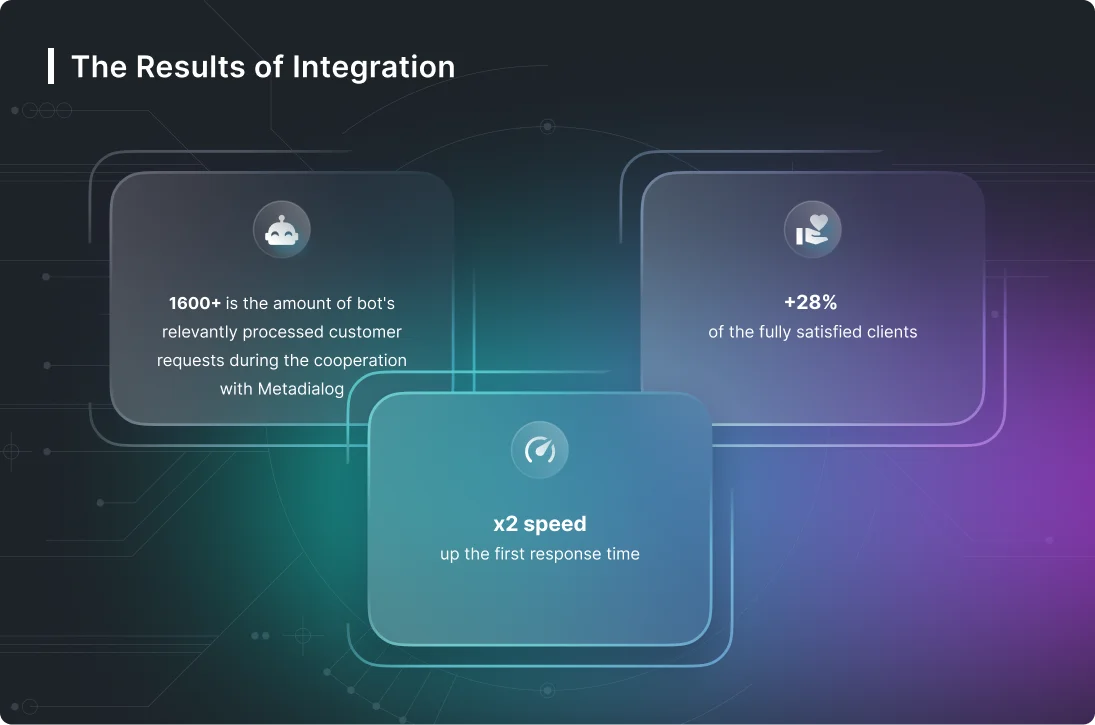
]]>
This goes way beyond the most recently developed chatbots and smart virtual assistants. In fact, natural language processing algorithms are everywhere from search, online translation, spam filters and spell checking. Hierarchically, natural language processing is considered a subset of machine learning while NLP and ML both fall under the larger category of artificial intelligence. An in-app chatbot can send customers notifications and updates while they search through the applications. Such bots help to solve various customer issues, provide customer support at any time, and generally create a more friendly customer experience. These models (the clue is in the name) are trained on huge amounts of data.
Cloud’s Crucial Role in Chatbot Revolution – Analytics India Magazine
Cloud’s Crucial Role in Chatbot Revolution.
Posted: Fri, 27 Oct 2023 05:03:31 GMT [source]
By encouraging users to provide feedback on their chatbot interactions, C-Zentrix gathers valuable data that helps uncover pain points, common issues, and user preferences. This user-centric feedback serves as a guiding light for enhancing the CZ Bot’s conversational abilities. For example, ChatGPT or a similar bot might generate text or computer code, but a human would then review it and possibly enhance it. In many cases, these businesses would benefit by automating tasks and redeploying humans for more strategic functions. OpenAI originally built the GPT 3.5 language model from web content and other publicly available sources. Human trainers played the role of both the user and the AI agent—generating a variety of responses to any given input and then evaluating and ranking them from best to worst.
Key elements of NLP-powered bots
And now that you understand the inner workings of NLP and AI chatbots, you’re ready to build and deploy an AI-powered bot for your customer support. For intent-based models, there are 3 major steps involved — normalizing, tokenizing, and intent classification. Then there’s an optional step of recognizing entities, and for LLM-powered bots the final stage is generation. These steps are how the chatbot to reads and understands each customer message, before formulating a response. To show you how easy it is to create an NLP conversational chatbot, we’ll use Tidio.

And that’s thanks to the implementation of Natural Language Processing into chatbot software. These insights are extremely useful for improving your chatbot designs, adding new features, or making changes to the conversation flows. In our example, a GPT-3 chatbot (trained on millions of websites) was able to recognize that the user was actually asking for a song recommendation, not a weather report. It is a very ambitious product to help insomniacs keep busy during the night by conversing with the chatbot as they find it difficult to get sleep.
Ways to Build an NLP Chatbot: Custom Development vs Ready-Made Solutions
This chapter not only teaches you about the methods in NLP but also takes real-life examples and demonstrates them with coding examples. We’ll also discuss why a particular NLP method may be needed for chatbots. OpenAI used the Azure AI supercomputer infrastructure to tackle the training process.
- C-Zentrix recognizes the significance of feedback loops in refining NLP design.
- And these are just some of the benefits businesses will see with an NLP chatbot on their support team.
- An NLP chatbot is a virtual agent that understands and responds to human language messages.
- Designing natural language processing (NLP) for chatbots is an art that requires a delicate balance between technology and human-like interaction.
And that’s where the new generation of NLP-based chatbots comes into play. Chatbots have evolved with time and technology has pushed the boundaries of possibilities so far ahead, it is surprising to see what chatbots can do now. So what you have to understand basically is that it has an YAML corpus, where you can design your chatbot interactions using nothing but YAML’s notation.
AI-powered chatbots are capable of understanding the context, intent, and emotion behind human interactions. With smart chatbot development, they generate human-like conversations that mimic real-life humans. When it comes to designing natural language processing for chatbots, one of the key challenges is handling the diverse variations present in human language. Slang, abbreviations, misspellings, and regional dialects can all pose difficulties for chatbot interactions.
Marine Corps Begins Search for AI Chatbot to Support GEOINT Data … – Executive Gov
Marine Corps Begins Search for AI Chatbot to Support GEOINT Data ….
Posted: Tue, 10 Oct 2023 21:09:56 GMT [source]
There is a lesson here… don’t hinder the bot creation process by handling corner cases. Consequently, it’s easier to design a natural-sounding, fluent narrative. Both Landbot’s visual bot builder or any mind-mapping software will serve the purpose well.
nlp-chatbot
To help illustrate the distinctions, imagine that a user is curious about tomorrow’s weather. With a traditional chatbot, the user can use the specific phrase “tell me the weather forecast.” The chatbot says it will rain. With an AI chatbot the user can ask, “what’s tomorrow’s weather lookin’ like? With a virtual agent, the user can ask, “what’s tomorrow’s weather lookin’ like? ”—the virtual agent can not only predict tomorrow’s rain, but also offer to set an earlier alarm to account for rain delays in the morning commute. We use a variety of tools to build AI chatbots, including LUIS by Microsoft.

Read more about https://www.metadialog.com/ here.
The post Natural Language Processing in Chatbots SpringerLink appeared first on Asbah Health Products.
]]>The post Meta AI Researchers Introduce GenBench: A Revolutionary Framework for Advancing Generalization in Natural Language Processing appeared first on Asbah Health Products.
]]>An AgroBot: Natural Language Processing Based Chatbot for Farmers IEEE Conference Publication

Modern AI chatbots now use natural language understanding (NLU) to discern the meaning of open-ended user input, overcoming anything from typos to translation issues. Advanced AI tools then map that meaning to the specific “intent” the user wants the chatbot to act upon, and use conversational AI to formulate an appropriate response. This sophistication, drawing upon recent advancements in large language models (LLMs), has led to increased customer satisfaction and more versatile chatbot applications. It provides the necessary information for the chatbot to understand and respond to user queries effectively.
When encountering a task that has not been written in its code, the bot will not be able to perform it.
How to Create an NLP Chatbot Using Dialogflow and Landbot
Just like any other artificial intelligence technology, natural language processing in chatbots need to be trained. This involves feeding them a large amount of data, so they can learn how to interpret human language. The more data you give them, the better they’ll become at understanding natural language.
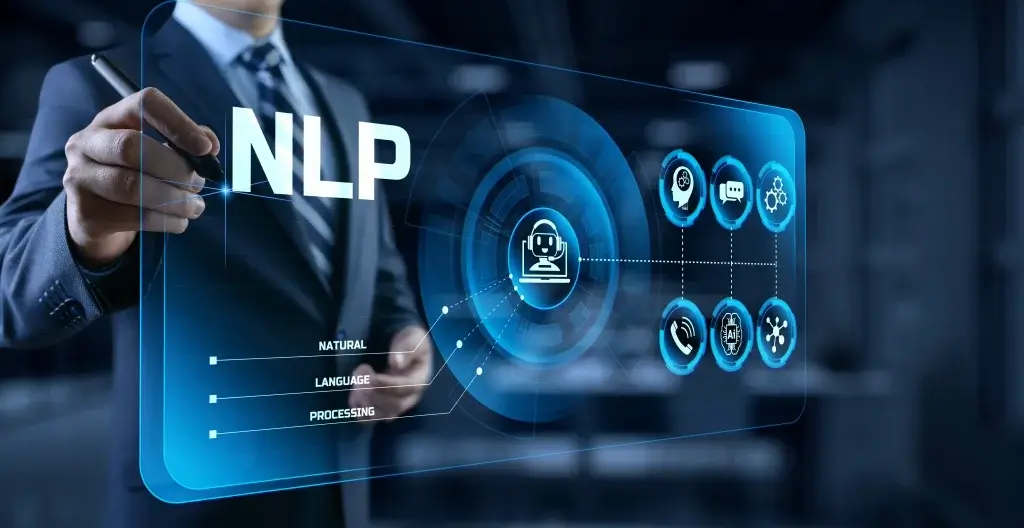
This availability ensures that customers receive prompt responses and assistance, leading to increased customer satisfaction and loyalty. Chatbots offer enhanced scalability, effortlessly handling multiple queries simultaneously, regardless of the volume of incoming messages. By seamlessly managing high volumes of customer interactions, chatbots enable businesses to meet growing customer demands without compromising on service quality.
Scripted chatbots
This includes adding new content, fixing bugs, and keeping the chatbot up-to-date with the latest changes in your domain. Depending on the size and complexity of your chatbot, this can amount to a significant amount of work. Last but not least, Tidio provides comprehensive analytics to help you monitor your chatbot’s performance and customer satisfaction.
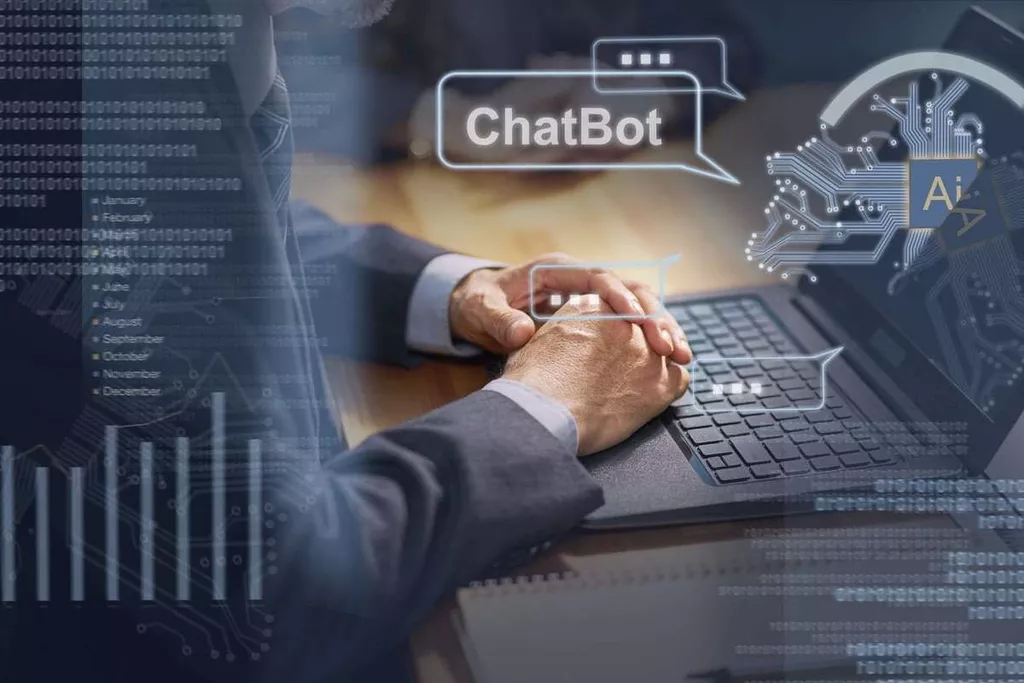
The graph reveals that the global chatbot market is set to reach the milestone of $1.25 billion in 2025. Vincent Kimanzi is a driven and innovative engineer pursuing a Bachelor of Science in Computer Science. He is passionate about developing technology products that inspire and allow for the flourishing of human creativity. He is passionate about programming and is searching for opportunities to cooperate in software development.
How NLP works in chatbot apps
The taxonomy can help researchers fill in knowledge gaps and advance the grasp of generalization in natural language processing by pointing out areas of knowledge deficiency. With dedicated bots, customers get the time and attention they deserve on your platform. Online retailers including eCommerce brands have experienced higher customer retention rates. Besides, these smart tools help in mitigating the cost and efforts involved in new customer acquisition. Do you know that as much as 62% of customers prefer interacting with chatbots rather than humans?
C-Zentrix believes in the value of putting chatbots through rigorous testing with real users. This allows the identification of potential bottlenecks, comprehension gaps, and user experience challenges. By analyzing user testing results, C-Zentrix can refine the NLP algorithms, improve dialogue flow, and ensure a smoother and more satisfying conversation experience for users. Tools like the Turing Natural Language Generation from Microsoft and the M2M-100 model from Facebook have made it much easier to embed translation into chatbots with less data. For example, the Facebook model has been trained on 2,200 languages and can directly translate any pair of 100 languages without using English data.
This conversational AI tool is part of a growing wave of chatbots and personal assistants that harness natural language processing so that humans can interact with computers in a more natural and intuitive way. Some observers worry about students and others using GPT3 to generate essays and reports, while many worry about its potential impact on fields such as journalism and technical writing. More sophisticated NLP can allow chatbots to use intent and sentiment analysis to both infer and gather the appropriate data responses to deliver higher rates of accuracy in the responses they provide. This can translate into higher levels of customer satisfaction and reduced cost. Developments in natural language processing are improving chatbot capabilities across the enterprise. This can translate into increased language capabilities, improved accuracy, support for multiple languages and the ability to understand customer intent and sentiment.

Bots are typically pre-programmed with a set of basic intents relating to the mission and objectives for which the chatbot was designed. As I stated in a previous blog post, bots can take care of customer inquiries quickly and efficiently. The cost to acquire a new customer is significantly higher than the cost to keep your current customers, so this is important. Customers want to feel important, and they want to know that they are being heard. There are many factors in which bots can vary, but one of the biggest differences is whether or not a bot is equipped with Natural Language Processing or NLP. Good generalization is significant for the NLP models to apply what they have learned to unique, real-world scenarios rather than just being adept at rote memorizing training data.
See our AI support automation solution in action — powered by NLP
Businesses love them because chatbots increase engagement and reduce operational costs. It is only a matter of time that someone develops a chatbot for their business and revolutionizes the customer experience. The chatbot is still in its initial phase of development and hence it is a bit rudimentary in terms of responses for the questions, but with time it is sure to improve. For the chatbot to understand positions and directions, we can build an NLP object model. Based on the user’s location, we can then use these NLP models to provide the opening hours of any location to the chatbot. Selecting the right chatbot platform can have a significant payoff for both businesses and users.

For example, PVR Cinemas – a film entertainment public ltd company in India – has such a chatbot to assist the customers with choosing a movie to watch, booking tickets, or searching through movie trailers. Natural language processing chatbot can help in booking an appointment and specifying the price of the medicine (Babylon Health, Your.Md, Ada Health). While we integrated the voice assistants’ support, our main goal was to set up voice search. Therefore, the service customers got an opportunity to voice-search the stories by topic, read, or bookmark.
What Is an NLP Chatbot — And How Do NLP-Powered Bots Work?
To address that, a group of researchers from Meta has proposed a thorough taxonomy to describe and comprehend NLP generalization research. They have introduced a new framework called the GenBench initiative, which aims to address these challenges and systematize generalization research in NLP. It is a structured framework for classifying and arranging the numerous facets of generalization in NLP. Before exploring the role of NLP in chatbot development, let’s take a look at these statistics. Follow the steps below to build a conversational interface for our chatbot successfully.
Natural Language Processing is a way for computer programs to converse with people in a language and format that people understand. As NLP continues to evolve, developers are experimenting with advanced technologies to enhance their amazing capabilities. With enhanced language models, sophisticated algorithms, and better semantic interpretation, chatbots will continue to replicate human responses. No wonder, eCommerce brands and businesses operating digitally can exploit the advantages of smart chatbot development.
- During chatbot development, NLP is used to identify specific words from users.
- The most common way to do this would be coding a chatbot in Python with the use of NLP libraries such as Natural Language Toolkit (NLTK) or spaCy.
- The ability of AI chatbots to accurately process natural human language and automate personalized service in return creates clear benefits for businesses and customers alike.
- As a result, even system-generated responses from chatbots are contextual and you’d find them understanding emotional nuances.
- Twilio — Allows software developers to programmatically make and receive phone calls, send and receive text messages, and perform other communication functions using web service APIs.
NLP chatbots can, in the majority of cases, help users find the information that they need more quickly. Users can ask the bot a question or submit a request; the bot comes back with a response almost instantaneously. For bots without Natural Language Processing, a user has to go through a sequence of button and menu selections, without the option of text inputs. In many cases, AI chatbots with NLP capabilities could speed content creation but also help organizations achieve greater flexibility, including one-to-one content personalization. However, OpenAI’s ChatGPT is currently considered by many to be the most advanced NLP chatbot engine.
- The words or vocabulary we use during conversing with chatbots carry our emotions.
- Our paper provides an outline of cloud-based chatbots advances together with the programming of chatbots and the challenges of programming within the current and upcoming period of chatbots.
- By applying these preprocessing and cleaning techniques, the NLP model can focus on understanding the context and intent behind user queries accurately.
- It is used in its development to understand the context and sentiment of the user’s input and respond accordingly.
Read more about https://www.metadialog.com/ here.
Top 6 Chatbot Courses & Certifications in November – Analytics Insight
Top 6 Chatbot Courses & Certifications in November.
Posted: Sun, 29 Oct 2023 16:34:39 GMT [source]
The post Meta AI Researchers Introduce GenBench: A Revolutionary Framework for Advancing Generalization in Natural Language Processing appeared first on Asbah Health Products.
]]>The post 6 Practices to Ensure Conversion Rate Optimization with a Chatbot appeared first on Asbah Health Products.
]]>23 Jaw-Dropping Chatbot Statistics You Need to Know in 2023

There are many companies who are implementing this strategy and getting higher conversion rates. Some examples of companies with Facebook Messenger chatbots are Sephora, Dominos Pizza and Flowers. These chatbots are answering questions, helping customers purchase or make a purchasing decision, booking a reservation, etc.
Conversational Marketing Statistics – How Its Growing – MarTech Series
Conversational Marketing Statistics – How Its Growing.
Posted: Fri, 08 Sep 2023 07:00:00 GMT [source]
As you can see, the way these chatbots work varies quite a bit — and they help your business in different ways. Ultimately, what chatbot you choose to use will depend on the goals you have. If you want to measure your chatbot metrics manually, it may be necessary to set up some custom events in Google Analytics. Surprisingly, most business owners don’t measure their bots’ performance.
User engagement (response rate)
As we move with the times, chatbots, live chat, and other chat solutions are revolutionizing the thriving e-commerce marketplace around the world. Customers don’t trust the logical and contextual understanding capabilities of the chatbots they interacted with. This could be remedied with better chatbots or more smooth chatbot to human handover processes. We have integrated chatbots into enterprise Customer Relationship Management software like HubSpot for other clients. However, ISA Migration used a CRM that was built entirely by them, in-house. They needed a custom solution to integrate the chatbot with their CRM to store and nurture leads.
The lines separating chatbots and virtual assistants are increasingly becoming blurred as technology evolves and new techniques are used to build these agents. Generally speaking, chatbots online primarily interact through a messaging application. The current chatbot trends in 2021 are already giving us a view of the future. A new variation of user experience (UX) design, CUX, is likely to be adopted by most companies in the near future.
LANDR Review: Features, Guide, Advantages, & More (
Using chatbots, clubbed with the power of data analytics, you can collect raw data, clean it up, and discover how to improve your existing products and services. When you can resolve a customer service question or issue in an instant, you boost your conversion rate and your brand. Users don’t have to search through a massive list of FAQ’s or use your website search function to find answers to their questions or problems. The user can ask the chatbot a question and the chatbot responds right away. Fast service means higher conversions because it saves the user time and speeds up the purchasing decision or process.

Chatbots have become an integral part of our daily lives, and their usage will only increase with time. They help us shop, answer our queries, and conveniently provide customers with relevant information. As a result, businesses that offer a more significant number of touchpoints increase the likelihood that customers will come across their products and choose them. Millennials like to deal with support issues independently, while Gen-Z is happiest coping with issues with short messages that lead to a goal (LiveChat Gen-Z Report). A chatbot greeting is like a store clerk or salesperson welcoming a customer into their store.
Contact form conversion rate benchmarks
In 2022, the total cost savings from deploying chatbots reached around $11 billion. And this number will only continue to grow as more and more businesses adopt the technology. It’s not really surprising as chatbots can save businesses up to 30% of costs on customer support alone.

If your chatbot’s primary goal is sales, it can bring revenue to your business. By calculating chatbot ROI, you can measure how much revenue was brought by a chatbot. The chatbot can make sales directly during the chat with the user (common for e-commerce chatbots) or transfer the user to a human sales agent who closes the deals. In both those cases, the chatbot helped you generate revenue, and it’s better to track these results. Also, this revenue-generated metric allows you to calculate the next chatbot KPI we will talk about – ROI.
Chatbots can collect customer feedback at the end of every conversation to understand their experience and use this data to improve it in the future. For chatbots using natural language processing (NLP), chatbot conversion rate intent recognition accuracy assesses how well the chatbot understands user queries. Higher accuracy ensures that the chatbot provides relevant responses, positively influencing user actions.
The post 6 Practices to Ensure Conversion Rate Optimization with a Chatbot appeared first on Asbah Health Products.
]]>The post Zendesk vs Intercom: In-Depth Feature & Price Comparison appeared first on Asbah Health Products.
]]>Zendesk vs Intercom: Which is better? 2023

Intercom’s help center allows you to draft and organize collections of articles, accessible to customers via a search bar in the Messenger widget. Intercom self-service chatbot widgets, highly customizable and capable of conversing in 32 different languages, embed into your website or application. Zendesk wins the collaboration tools category because of its easy-to-use side conversations feature. Zendesk’s Admin Center provides tools that automate agent ticket workflows.
Smartsupp Software Reviews, Demo & Pricing – 2023 – Software Advice
Smartsupp Software Reviews, Demo & Pricing – 2023.
Posted: Wed, 16 Nov 2022 11:52:51 GMT [source]
Here are our top reporting and analytics features and an overview of where Intercom’s reporting limitations lie. But it’s designed so well that you really enjoy staying in their inbox and communicating with clients. Intercom’s chatbot feels a little more robust than Zendesk’s (though it’s worth noting that some features are only available at the Engage and Convert tiers). You can set office hours, live chat with logged-in users via their user profiles, and set up a chatbot. Customization is more nuanced than Zendesk’s, but it’s still really straightforward to implement. You can opt for code via JavaScript or Rails or even integrate directly with the likes of Google Tag Manager, WordPress, or Shopify.
Why Your Business Needs Live Chat
So when I realized lots of companies actually prefer Zendesk over Intercom, I was surprised. I mean I stumbled upon this article where people from Outreach.io were telling why they’d switched from Intercom to Zendesk, then I saw this comparison, where Zendesk seemed to beat Intercom at the end. Administrator reports allow managers to observe real-time CSAT scores, conversation volume, first response time, and time to close. The dashboard’s left-hand column organizes and sorts all tickets by urgency. When an agent clicks on a conversation, the full conversation history populates the middle screen. If a customer isn’t satisfied with Answer Bot’s response, Answer Bot quickly routes them to an agent best suited to help.

Welcome to another blog post that helps you gauge which live chat solution is compatible with your customer support needs. And in this post, we will analyze two popular names in the SaaS industry – Intercom & Zendesk. Intercom is a customer relationship management and messaging tool for web businesses. Zendesk’s mobile app is also good for ticketing, helping you create new support tickets with macros and updates. It’s also good for sending and receiving notifications, as well as for quick filtering through the queue of open tickets. Intercom’s large series of bots obviously run on automations as well.
Intercom vs. Zendesk: Which Customer Support Solution is Right For Your Business?
Along with Omni channel integrations with chat (their own or other chat solutions), email, phone and so on. Though there are many customer service solutions available online, for the purpose of this blog, I am going to talk about Intercom and Zendesk. I tried each of the platforms and discovered how each can be used to improve a customer’s experience and journey. Compared to Intercom, Zendesk’s pricing starts at $49/month, which is still understandable but not meant for startups looking for affordable pricing plans. These plans are not inclusive of the add-ons all integrations.

All you conversations and team members can be accessed from the top left of the screen. The last button in the bottom left of the screen is a link to the Admin home page, here you’ll find the tools you need to configure Zendesk. First, a Home button gives you access to your dashboard, where you’ll find a snapshot of your current configuration.
Intercom offers call center features for your business via add-ons. Services such as CallHippo, Ozonetel, Toky, Aircall Now are just a few of many more add-ons in lieu of call center tools built into the help desk software. Zendesk does not provide its customers with email marketing tools for the basic subscriptions at the time of writing. However, the add-on Customer Lists available for Professional and Enterprise subscriptions does have mass email options. Intercom has Articles as a knowledge base solution for self-support, as well as internal support. This feature is available on all the channels your customers use to get in touch with your brand.

Create a help center combining knowledge base articles and a customer contact request form, embeddable into any webpage or mobile app. Customers can search the help center by query keywords and sort through articles in 40 languages. This article will compare Intercom vs Zendesk, outlining each tool’s features, ease-of-use, pricing and plans, pros and cons, and user-support options.
Read more about https://www.metadialog.com/ here.

The post Zendesk vs Intercom: In-Depth Feature & Price Comparison appeared first on Asbah Health Products.
]]>The post Natural language processing: state of the art, current trends and challenges SpringerLink appeared first on Asbah Health Products.
]]>Natural Language Processing NLP Tutorial

In the recent past, models dealing with Visual Commonsense Reasoning [31] and NLP have also been getting attention of the several researchers and seems a promising and challenging area to work upon. Santoro et al. [118] introduced a rational recurrent neural network with the capacity to learn on classifying the information and perform complex reasoning based on the interactions between compartmentalized information. Finally, the model was tested for language modeling on three different datasets (GigaWord, Project Gutenberg, and WikiText-103). Further, they mapped the performance of their model to traditional approaches for dealing with relational reasoning on compartmentalized information.
- It is the branch of Artificial Intelligence that gives the ability to machine understand and process human languages.
- Usage of their and there, for example, is even a common problem for humans.
- Python is considered the best programming language for NLP because of their numerous libraries, simple syntax, and ability to easily integrate with other programming languages.
- Two sentences with totally different contexts in different domains might confuse the machine
if forced to rely solely on knowledge graphs.
- In this paper, we provide a short overview of NLP, then we dive into the different challenges that are facing it, finally, we conclude by presenting recent trends and future research directions that are speculated by the research community.
- Linguistics is a broad subject that includes many challenging categories, some of which are Word Sense Ambiguity, Morphological challenges, Homophones challenges, and Language Specific Challenges (Ref.1).
Earlier, natural language processing was based on statistical analysis, but nowadays, we can use machine learning, which has significantly improved performance. Ambiguity is the main challenge of natural language processing because in natural language, words are unique, but they have different meanings depending upon the context which causes ambiguity on lexical, syntactic, and semantic levels. Semantics are important to find the relationship among entities and objects. Entities and object extraction from text and visual data could not provide accurate information unless the context and semantics of interaction are identified. Also, the currently available search engines can search for things (objects or entities) rather than keyword-based search. Semantic search engines are needed because they better understand user queries usually written in natural language.
US positioning itself as global AI policy leader
It involves several challenges and risks that you need to be aware of and address before launching your NLP project. In this article, we will discuss six of them and how you can overcome them. The primary point of natural language processing is to make computers able to understand human language.
- Whether you’re a data scientist, a developer, or someone curious about the power of language, our tutorial will provide you with the knowledge and skills you need to take your understanding of NLP to the next level.
- It stores the history, structures the content that is potentially relevant and deploys a representation of what it knows.
- The metric of NLP assess on an algorithmic system allows for the integration of language understanding and language generation.
This is where training and regularly updating custom models can be helpful, although it
oftentimes requires quite a lot of data. Many technologies conspire to process natural languages, the most popular of which are
Stanford CoreNLP, Spacy, AllenNLP, and Apache NLTK, amongst others. Whether you’re a data scientist, a developer, or someone curious about the power of language, our tutorial will provide you with the knowledge and skills you need to take your understanding of NLP to the next level. Lexical Ambiguity exists in the presence of two or more possible meanings of the sentence within a single word.
Disadvantages of NLP
The model achieved state-of-the-art performance on document-level using TriviaQA and QUASAR-T datasets, and paragraph-level using SQuAD datasets. Eno is a natural language chatbot that people socialize through texting. CapitalOne claims that Eno is First natural language SMS chatbot from a U.S. bank that allows customers to ask questions using natural language. Customers can interact with Eno asking questions about their savings and others using a text interface.
Natural language processing analysis of the psychosocial stressors … – Nature.com
Natural language processing analysis of the psychosocial stressors ….
Posted: Thu, 05 Oct 2023 07:00:00 GMT [source]
A language may not have an exact match for a certain action or object that exists in another language. Idiomatic expressions explain something by way of unique examples or figures of speech. Most importantly, the meaning of particular phrases cannot be predicted by the literal definitions of the words it contains. Cosine similarity is a method that can be used to resolve spelling mistakes for NLP tasks. It mathematically measures the cosine of the angle between two vectors in a multi-dimensional space. As a document size increases, it’s natural for the number of common words to increase as well — regardless of the change in topics.
Why NLP is difficult?
Read more about https://www.metadialog.com/ here.
The post Natural language processing: state of the art, current trends and challenges SpringerLink appeared first on Asbah Health Products.
]]>The post Difference between NLP, NLU and NLG appeared first on Asbah Health Products.
]]>
Human language is typically difficult for computers to grasp, as it’s filled with complex, subtle and ever-changing meanings. Natural language understanding systems let organizations create products or tools that can both understand words and interpret their meaning. Together with NLG, they will be able to easily help in dealing and interacting with human customers and carry out various other natural language-related operations in companies and businesses. However, when it comes to handling the requests of human customers, it becomes challenging.

An effective NLP system is able to ingest what is said to it, break it down, comprehend its meaning, determine appropriate action, and respond back in language the user will understand. Machines programmed with NGL help in generating new texts in addition to the already processed natural language. They are so advanced and innovative that they appear as if a real human being has written them. As already seen in the above information, NLU is a part of NLP and thus offers similar benefits which solve several problems.
How is Generative AI transforming different industries and redefining customer-centric experiences?
Natural language processing starts with a library, a pre-programmed set of algorithms that plug into a system using an API, or application programming interface. Basically, the library gives a computer or system a set of rules and definitions for natural language as a foundation. Generally, computer-generated content lacks the fluidity, emotion and personality that makes human-generated content interesting and engaging. However, NLG can be used with NLP to produce humanlike text in a way that emulates a human writer. This is done by identifying the main topic of a document and then using NLP to determine the most appropriate way to write the document in the user’s native language. Whether it’s simple chatbots or sophisticated AI assistants, NLP is an integral part of the conversational app building process.

It enables machines to understand, interpret, and generate human language in a valuable way. The benefits of NLP systems are that they break down text into words and phrases, analyze their context, and perform tasks like sentiment analysis, language translation, and chatbot interactions. Moreover, OpenAI’s advanced language models empower comprehensive text analysis, while LangChain’s specialized NLP solutions enhance data management.
natural language understanding (NLU)
Today we’ll review the difference between chatbots and conversational AI and which option is better for your business. As the Managed Service Provider (MSP) landscape continues to evolve, staying ahead means embracing innovative solutions that not only enhance efficiency but also elevate customer service to new heights. Enter AI Chatbots from CM.com – a game-changing tool that can revolutionize how MSPs interact with clients.
What is Natural Language Understanding (NLU)? Definition from … – TechTarget
What is Natural Language Understanding (NLU)? Definition from ….
Posted: Fri, 18 Aug 2023 07:00:00 GMT [source]
This website is using a security service to protect itself from online attacks. There are several actions that could trigger this block including submitting a certain word or phrase, a SQL command or malformed data. To pass the test, a human evaluator will interact with a machine and another human at the same time, each in a different room. If the evaluator is not able to reliably tell the difference between the response generated by the machine and the other human, then the machine passes the test and is considered to be exhibiting “intelligent” behavior. NLP can process text from grammar, structure, typo, and point of view—but it will be NLU that will help the machine infer the intent behind the language text. So, even though there are many overlaps between NLP and NLU, this differentiation sets them distinctly apart.
Thus, NLP models can conclude that “Paris is the capital of France” sentence refers to Paris in France rather than Paris Hilton or Paris, Arkansas. Converts the user’s unstructured data into structured or meaningful information. The importance of NLU and NLP has grown as technology and research have advanced, and computers can now analyze and perform tasks on a wide range of data.

They say percentages don’t matter in life, but in marketing, they are everything. The customer journey, from acquisition to retention, is filled with potential incremental drop-offs at every touchpoint. A confusing experience here, an ill-timed communication there, and your conversion rate is suddenly plummeting.
NLP & NLU use cases
Read more about https://www.metadialog.com/ here.

The post Difference between NLP, NLU and NLG appeared first on Asbah Health Products.
]]>The post AI chatbot examples: These 9 companies get it right! appeared first on Asbah Health Products.
]]>Companies Using Conversational AI: 5 Successful Examples

If you’re only thinking about chatbots, voice assistants, and automated email responders, think again. Conversational AI uses multiple technologies to converse with customers in natural, human-like language. Natural language processing (NLP) is an AI technology that breaks down human language such that the machine can understand and take the next steps. Soon after implementation, businesses using CAI suffer from a lack of customers using chatbots to interact with them.
And with inventory and product shipment tracking, shoppers have visibility into what’s in stock and where their orders are. AI technology is already empowering companies to make smarter business decisions. According to The 2023 State of Media Report, 96% of business leaders agree that AI and ML can help companies significantly improve decision-making processes. Personalized customer service makes consumers feel valued and important, listened to and prioritized, and even creates an emotional connection between customers and businesses.
HR Chatbot Insights: Benefits, Use Cases, Statistics, and Real Examples
Conversational AI models have thus far been trained primarily in English and have yet to fully accommodate global users by interacting with them in their native languages. Companies that conduct customer interactions via AI chatbots must have security measures in place to process and store the data transmitted. Finally, conversational AI can be thrown off by slang, jargon and regional dialects, which are all examples of the changing nature of human languages. Developers must train the technology to properly address such challenges in the future. With the adoption of mobile devices into consumers daily lives, businesses need to be prepared to provide real-time information to their end users.
- Today, Watson has many offerings, including Watson Assistant, a cloud-based customer care chatbot.
- The main goal of conversational AI is to imitate and replicate human spoken and written interaction.
- Start by going through the logs of your conversations and find the most common questions buyers ask.
Thanks to its ability to learn from specific customer interactions, Conversational AI helps companies improve their brand loyalty rates while boosting operational efficiencies. Let’s take the simple example of a customer asking a company chatbot about its hours of operation. The customer’s speech travels through the NLP technology which cleans up and deciphers the customer’s language to determine precisely what she is saying. In text-based interactions, NLP technologies can correct grammatical and spelling errors, identify synonyms, and break down the texted request into programming code that is easier to understand by the virtual agent.
Conversational AI platforms
On the surface, conversational artificial intelligence tools sound deceptively simple. However, there are many technological components working in tandem with each other to process, accurately understand, and generate responses in a human-like interaction and provide a smooth experience to customers. Direct engagement with these systems provides a more personalized experience for consumers who want customer support, too.

When a potential customer visits an ecommerce website, an AI chatbot can interact with them, teach them about the product or company, and provide information that can pique their interest. Collect valuable data and gather customer feedback to evaluate how well the chatbot is performing. Capture customer information and analyze how each response resonates with customers throughout their conversation. Conversational AI can increase customer engagement by offering tailored experiences and interacting with customers whenever, wherever, across many channels, and in multiple languages. Voice bots are AI-powered software that allows a caller to use their voice to explore an interactive voice response (IVR) system. They can be used for customer care and assistance and to automate appointment scheduling and payment processing operations.
When that happens, it’ll be important to provide an alternative channel of communication to tackle these more complex queries, as it’ll be frustrating for the end user if a wrong or incomplete answer is provided. In these cases, customers should be given the opportunity to connect with a human representative of the company. Users can be apprehensive about sharing personal or sensitive information, especially when they realize that they are conversing with a machine instead of a human.

Read more about https://www.metadialog.com/ here.
The post AI chatbot examples: These 9 companies get it right! appeared first on Asbah Health Products.
]]>