

Notice: Trying to access array offset on value of type null in /home3/asbahato/public_html/wp-content/themes/makali/functions.php on line 46
The historical evolution of gambling uncovering paths of fortune and fate
The historical evolution of gambling uncovering paths of fortune and fate
The Origins of Gambling
The practice of gambling dates back thousands of years, with evidence suggesting that early civilizations engaged in games of chance as early as 3000 BC. In ancient China, rudimentary gambling games involving dice and betting on outcomes were common. Similarly, the Egyptians played games resembling dice, reflecting a human fascination with luck and chance that transcended cultures. These early forms of gambling laid the groundwork for more complex betting systems seen in later eras, including the best uk sports betting sites that are popular today.
In addition to China and Egypt, Mesopotamian societies also displayed a penchant for gambling. The game of astragali, played with knucklebones, was prevalent, and it is thought to have been both a form of entertainment and a means of divination. Such practices indicated that gambling was not merely a pastime; it was intertwined with social rituals and spirituality. The convergence of fate and fortune in these activities hints at the profound role gambling played in early human society.
As civilizations progressed, gambling evolved alongside socio-political changes. The Greeks and Romans embraced various gambling activities, including betting on chariot races and the famous dice games. In Roman society, gambling became a popular amusement among the elite, showcasing the transition of gambling from mere entertainment to a significant cultural phenomenon. This evolution set the stage for the gambling establishments that would emerge in later centuries.
The Rise of Formal Gambling Establishments
The 17th century marked a pivotal moment in the history of gambling with the emergence of formal establishments. The first casinos appeared in Venice, Italy, known as “Ridotti,” where patrons could engage in games such as baccarat and faro. These venues provided a controlled environment for gambling, differentiating itself from illegal gambling prevalent in public spaces. This transition marked a significant shift in how society viewed gambling, elevating it from a street-level activity to a more respectable form of leisure.
Throughout Europe, the popularity of casinos spread, with cities like Monte Carlo becoming synonymous with luxury gambling experiences. By the 19th century, casinos had become integral to European culture, attracting affluent gamblers seeking fortune and excitement. This era also saw the introduction of various games, such as roulette and blackjack, which would become staples in modern gambling. The evolution of these establishments reflects a growing acceptance of gambling as a legitimate form of entertainment.
As gambling venues proliferated, so did the development of regulations governing their operation. Countries began to establish laws aimed at curbing illegal gambling while promoting legitimate establishments. This regulatory framework fostered a safer gambling environment and attracted a broader audience, from aristocrats to the working class. The rise of formal casinos can thus be viewed as both a response to demand and an attempt to regulate an ever-popular pastime.
The Impact of Technology on Gambling
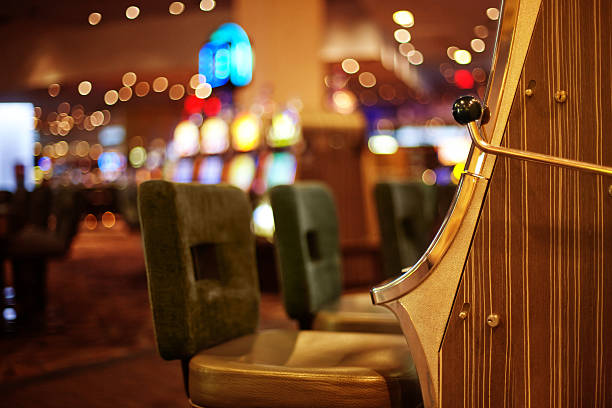
The late 20th century witnessed a technological revolution that profoundly impacted the gambling industry. The introduction of electronic gaming machines, often referred to as “slot machines,” transformed traditional gambling experiences. These machines provided an alternative to table games, allowing for faster play and the potential for larger payouts. This shift catered to a new demographic of players, attracting those who preferred a more casual gambling experience.
With the advent of the internet in the 1990s, online gambling emerged as a game-changer. Websites began to offer a variety of games, allowing players to bet from the comfort of their homes. This digital evolution expanded the reach of gambling, attracting players who may have been hesitant to visit physical casinos. Online platforms introduced innovations such as live dealer games and mobile betting, further enhancing the user experience and accessibility.
As technology continues to evolve, so too does the landscape of gambling. Virtual reality and augmented reality technologies are beginning to shape the future of casino experiences. These advancements aim to create immersive environments that mimic real-world casinos while offering unique gaming experiences. The integration of cutting-edge technology highlights the adaptability of the gambling industry, ensuring its continued relevance in an ever-changing world.
The Cultural Significance of Gambling
Gambling has been a reflection of cultural values and societal norms throughout history. In many cultures, gambling activities serve as a social glue, bringing people together for entertainment and camaraderie. Festivals often incorporate games of chance, highlighting the communal aspect of gambling. For instance, traditional games played during harvest celebrations exemplify how gambling can enhance social bonds while intertwining with cultural traditions.
Moreover, gambling has frequently been portrayed in literature and art, symbolizing the struggle between fate and free will. From Shakespeare’s plays to modern cinema, the themes of risk and reward resonate deeply with audiences. These artistic representations reflect society’s ongoing fascination with the unpredictable nature of luck and fortune. Thus, gambling transcends mere chance; it serves as a metaphor for life’s uncertainties.
In contemporary society, the cultural significance of gambling has evolved with changing attitudes towards risk and reward. Increased acceptance of gambling as a legitimate form of entertainment has led to a broader dialogue about its implications. Issues such as responsible gambling and addiction awareness have emerged, prompting a re-evaluation of how society engages with this age-old practice. As gambling continues to be woven into the fabric of culture, its significance remains both profound and complex.

Exploring Gambling Today
Today, gambling encompasses a vast array of activities, from traditional casinos to sports betting and online platforms. The industry has expanded exponentially, fueled by advancements in technology and changing consumer preferences. Gamblers now have access to an unprecedented variety of games and betting options, catering to every taste and budget. This diversification has solidified gambling’s place as a major player in global entertainment.
As the gambling landscape evolves, so too do the challenges it faces. Regulatory issues, concerns about responsible gambling, and the impact of online gaming on traditional establishments are just a few of the topics garnering attention. The industry must navigate these complexities while continuing to attract and retain players. Through innovative marketing strategies and customer engagement, gambling establishments are redefining their approaches to meet the demands of modern audiences.
As we look toward the future, the historical evolution of gambling serves as a reminder of its enduring appeal and adaptability. The paths of fortune and fate continue to unfold, revealing new opportunities for both players and operators alike. With ongoing advancements in technology and shifts in societal attitudes, the future of gambling promises to be as dynamic and intriguing as its storied past.
