

Notice: Trying to access array offset on value of type null in /home3/asbahato/public_html/wp-content/themes/makali/functions.php on line 46
The journey of gambling through the ages A historical perspective
The journey of gambling through the ages A historical perspective
The Origins of Gambling
The origins of gambling can be traced back to ancient civilizations, where it served various social and economic purposes. Archaeological findings suggest that games of chance existed in Mesopotamia around 3000 BCE, utilizing rudimentary dice made from animal bones. These early forms of gambling reflected not just entertainment but also a reflection of societal structure, where wagers could signify status and power among participants. Additionally, ancient Chinese games, dating back to 2000 BCE, incorporated betting elements that would later evolve into structured gambling practices. Modern online platforms, like Winit Casino, exemplify the evolution of gambling, providing thousands of games to today’s players.

In ancient Egypt, gambling was intertwined with religious practices, as games were often played during festivals dedicated to the gods. The Egyptians invented various dice games, reflecting their belief that chance was a divine gift. This intertwining of gambling and religion also marked the beginning of social acceptance of games of chance, as they became synonymous with festivities and community bonding. Such early practices laid the groundwork for gambling’s eventual transition into a commercialized form.
The Romans further advanced the concept of gambling through organized games and betting on gladiatorial contests. They introduced specific laws regulating these activities, emphasizing the blend of chance and skill inherent in various games. The popularity of gambling during this period catalyzed its growth across Europe, paving the way for the establishment of formal gambling establishments. This historical perspective showcases how gambling’s roots extend deep into human civilization, influencing social structures and cultural practices.
The Middle Ages and Gambling Regulation
The Middle Ages marked a significant period for gambling, where societal perceptions began to shift. While gambling flourished in various forms, especially among the nobility, the Church viewed it with suspicion. The rise of the Catholic Church led to various prohibitions against gambling, as it was often associated with vice and moral decay. Despite these restrictions, gambling remained prevalent, as underground games and local tournaments thrived, demonstrating the human inclination toward risk and reward.
As gambling continued to grow, rulers recognized its potential for revenue generation. Governments began to regulate gambling more systematically, implementing taxes on bets and establishing official gaming houses. The development of playing cards in the late Middle Ages added a new dimension to gambling, leading to the emergence of games like poker and blackjack. This era also saw the establishment of lotteries, used as a means to fund public projects, further legitimizing gambling as a tool for societal benefit.
During this period, gambling evolved into a more structured activity. Institutions began to emerge that not only organized games but also introduced rules and regulations, creating a more standardized experience for players. The contrasting views of gambling during the Middle Ages highlight a pivotal moment in its history, where societal acceptance began to shape its development as both a pastime and a regulated industry.
The Renaissance and the Birth of Modern Gambling
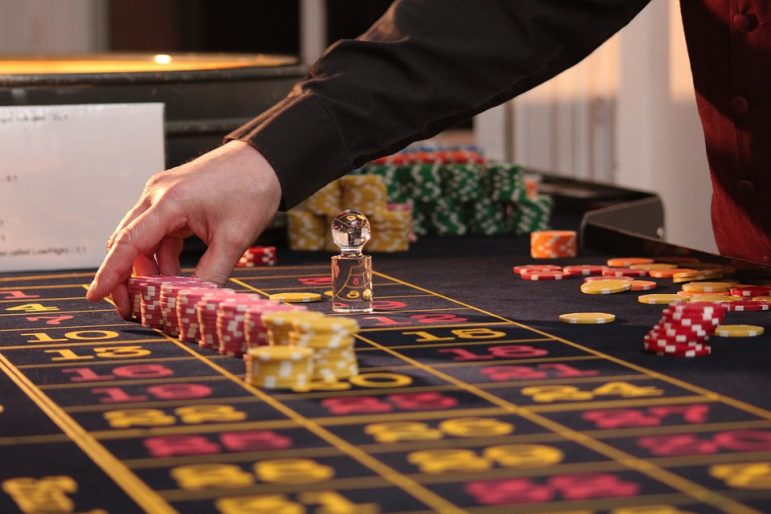
The Renaissance ushered in a new era for gambling, characterized by increased accessibility and formalization. This period witnessed the proliferation of gambling houses across Europe, where individuals from various social classes could participate in games of chance. The introduction of the roulette wheel in France during the 17th century revolutionized gambling, becoming an instant sensation in casinos. This marked the transition from informal gambling to sophisticated establishments designed specifically for entertainment and wagering.
Furthermore, the rise of the printing press in the 15th century played a crucial role in disseminating information about gambling strategies and rules. Publications began to circulate that detailed tactics for popular games, making it easier for individuals to engage with gambling on a more informed level. This accessibility contributed to the popularity of games like baccarat and chemin de fer, further embedding gambling into the fabric of European culture.
By the 18th century, gambling was firmly established as a form of entertainment, with dedicated establishments opening in cities across Europe and later in America. The development of sophisticated card games and the emergence of betting on horse racing highlighted gambling’s evolution into a multi-faceted industry. The Renaissance was pivotal in shaping modern gambling, establishing patterns and practices that would influence its trajectory for centuries to come.
The 20th Century and the Rise of Online Gambling
The 20th century saw significant transformations in the gambling landscape, driven by technological advancements and shifts in societal attitudes. The establishment of Las Vegas as a gambling capital in the 1930s marked a turning point, showcasing the potential for large-scale commercial gambling. The introduction of slot machines and the expansion of casino resorts changed how people engaged with gambling, turning it into a mainstream entertainment option.
Post-World War II, gambling became even more integrated into popular culture, with movies and literature glamorizing it. The legalization of state lotteries in the United States further expanded gambling opportunities, generating substantial revenue for public initiatives. As various forms of gambling became more accepted, the landscape began to diversify, encompassing sports betting, poker tournaments, and casino games.
With the advent of the internet in the late 20th century, gambling entered a new era. The launch of online casinos and sportsbooks in the 1990s revolutionized the industry, allowing players to engage with their favorite games from the comfort of their homes. This technological shift not only broadened access to gambling but also prompted discussions about regulation, responsible gambling, and the need for consumer protection. The evolution of online gambling illustrates the dynamic nature of the industry, reflecting broader societal changes and technological innovations.
Contemporary Gambling and the Future
Today, gambling is a global phenomenon, encompassing traditional venues and modern online platforms. The rise of mobile gaming has transformed how people engage with gambling, making it accessible anytime and anywhere. Operators continuously innovate, introducing new games, features, and payment methods, including cryptocurrency, to cater to a diverse audience. This has led to a significant growth in the online gambling sector, attracting players from all walks of life.
As the industry expands, so does the emphasis on responsible gambling practices. Governments and organizations are increasingly focused on ensuring player safety and protecting vulnerable individuals from the potential harms of gambling. Initiatives aimed at promoting responsible gaming behaviors, alongside advancements in technology for monitoring gambling patterns, are becoming essential components of the industry.
Looking ahead, the future of gambling appears to be intertwined with technological advancements like virtual reality and artificial intelligence. These innovations have the potential to create immersive gaming experiences, enhancing player engagement. As gambling continues to evolve, it will likely reflect changing societal values and technological capabilities, shaping the next chapter in its long and storied history.
Winit Casino: The Modern Gaming Experience
Winit Casino represents the forefront of modern online gaming, combining tradition with innovation. Offering players a remarkable selection of over 3,000 games, including slots, table games, and live dealer options, the casino caters to diverse gaming preferences. With a commitment to providing an engaging and rewarding experience, Winit Casino stands out as a premier destination for players in the UK.
The platform not only offers impressive welcome bonuses, but also multiple payment methods, including cryptocurrency options, reflecting the industry’s evolution towards inclusivity and modernity. With customer support available 24/7, players are assured of prompt assistance, enhancing their overall gaming experience. Winit Casino’s dedication to quality and player satisfaction is evident in its thoughtfully designed user interface and game selection.
As gambling continues to progress, Winit Casino remains at the forefront, ensuring that players can enjoy a thrilling and safe gaming environment. The journey of gambling through the ages has culminated in sophisticated platforms like Winit Casino, where tradition meets modern technology, providing an unparalleled online gaming experience for enthusiasts around the globe.
