

Notice: Trying to access array offset on value of type null in /home3/asbahato/public_html/wp-content/themes/makali/functions.php on line 46
The journey of gaming Unveiling the historical evolution of casinos
The journey of gaming Unveiling the historical evolution of casinos
The Origins of Gambling
The history of gambling can be traced back thousands of years, with some of the earliest forms recorded in ancient China around 2300 BC. During this time, rudimentary betting games utilized tiles to play lottery-like games, indicating that the allure of chance has always captivated human interest. Notably, the various forms of gambling found across civilizations showcase its widespread appeal and influence on society. Today, platforms like 1xbet continue this tradition, offering contemporary gaming experiences that reflect these historical roots.

The Romans contributed significantly to gambling culture, establishing dedicated venues for betting and hosting large-scale public games. These early casinos, known as “ludus,” allowed citizens to engage in various gaming activities, from dice to more complex board games. As the Roman Empire expanded, so did the practice of gambling, leading to a greater acceptance of betting as a form of entertainment and social engagement.
By the Middle Ages, gambling evolved significantly, influenced by changing societal norms and technological advancements. Card games began to emerge during this period, particularly in Europe, marking the transition from traditional gaming to more structured forms of play. This shift laid the groundwork for the development of modern casino games that we recognize today.
The Rise of Modern Casinos
The concept of the casino as we know it began to take shape in the 17th century, particularly in Venice, Italy. The establishment of the Ridotto in 1638 marked the first official casino, offering a controlled environment for gambling and serving as a model for future establishments. This innovation allowed patrons to engage in games of chance, all while being supervised by authorities to ensure fairness and order.
Throughout the 18th century, casinos proliferated across Europe, especially in France. The French Revolution brought significant changes to gambling, leading to the introduction of iconic games such as roulette and baccarat. Casinos became integral to the social fabric of European society, attracting the elite and offering lavish experiences. The opulence of these establishments reflected the wealth of their patrons, further embedding gambling into cultural consciousness.
The 19th century saw the advent of American casinos, with the California Gold Rush attracting fortune-seekers who brought their love for gambling. The establishment of gaming houses in Nevada led to the creation of Las Vegas as a gambling hub in the 20th century. The legalization of gambling in Nevada, combined with innovative marketing strategies, established Las Vegas as a premier destination for gaming enthusiasts worldwide.
Technological Innovations in Gaming
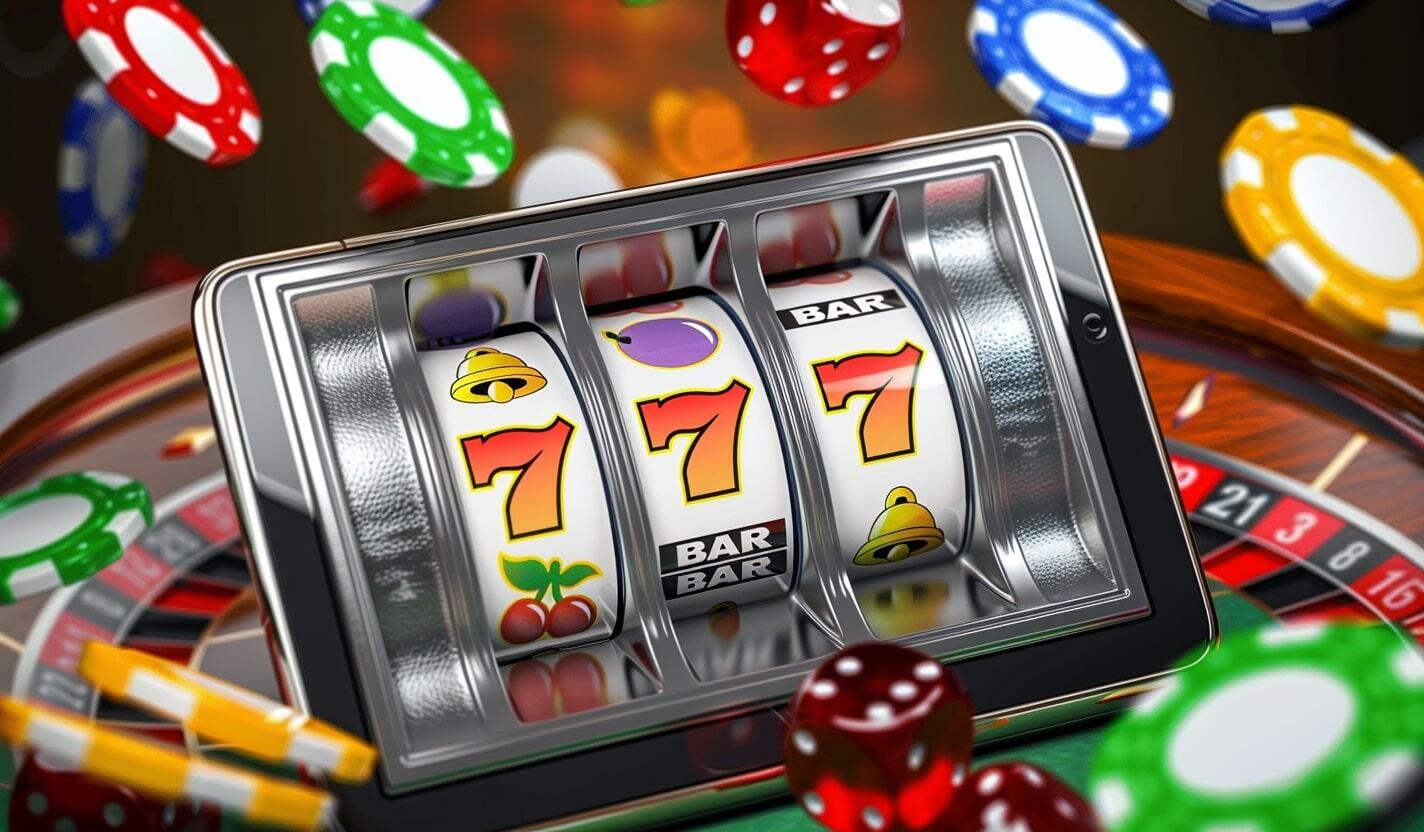
The 20th century was pivotal for the gambling industry, marked by significant technological advancements that transformed how games were played and experienced. The introduction of slot machines in the late 1800s revolutionized casino gaming, providing an accessible form of entertainment that appealed to a broader audience. These machines, often adorned with vibrant designs and enticing payouts, quickly gained popularity and became a staple in casinos.
As technology continued to evolve, so did gaming experiences. The development of electronic and digital games in the latter half of the century reshaped the landscape of gambling. Video poker, electronic roulette, and computerized slot machines emerged, offering players new ways to engage with games. These innovations attracted younger generations and contributed to the widespread acceptance of gambling as a mainstream form of entertainment.
The rise of the internet further accelerated this transformation. Online casinos began to emerge in the late 1990s, allowing players to access their favorite games from the comfort of their homes. This shift not only expanded the reach of casinos but also enabled operators to provide a diverse range of gaming options, including live dealer experiences that simulate the atmosphere of a physical casino.
Changing Regulations and Global Perspectives
As gambling has evolved, so too have regulations surrounding it. The legalization of casinos and gambling activities varies significantly across countries and regions. In the United States, each state has its laws governing gambling, leading to a patchwork of regulations that can be confusing for players. Conversely, countries like Monaco and Singapore have embraced gambling, establishing themselves as luxury destinations for tourists seeking high-stakes gaming.
Globally, cultural attitudes toward gambling also influence regulatory frameworks. In some societies, gambling is seen as a form of entertainment and leisure, while in others, it remains a contentious issue associated with moral and ethical debates. This dichotomy affects not only the legal landscape but also how casinos operate and market themselves in different regions.
The emergence of responsible gaming initiatives has become an essential aspect of the gambling industry. Many casinos have implemented measures to promote safe gambling practices, ensuring that players can enjoy their experiences without succumbing to addiction. This focus on responsible gaming reflects a growing awareness of the social impact of gambling and a commitment to fostering a sustainable industry.
Exploring the Future of Casinos
The future of casinos appears bright, driven by ongoing technological innovations and shifts in consumer preferences. Virtual reality (VR) and augmented reality (AR) technologies are set to enhance gaming experiences, allowing players to immerse themselves in captivating environments that replicate the excitement of physical casinos. These advancements may redefine the way people approach gambling, making it more engaging and interactive.
Additionally, the integration of artificial intelligence (AI) in gaming systems is expected to revolutionize player experiences. AI can analyze player behavior, offer personalized recommendations, and improve game design based on feedback. This level of customization can enhance player satisfaction and foster loyalty to specific casinos.
As online gaming continues to gain traction, the convergence of traditional casinos and online platforms may lead to new business models. Hybrid casinos that offer both physical and digital experiences could become the norm, catering to a diverse range of players and preferences. This evolution will further solidify the casino industry’s place in global entertainment culture.
Welcome to the Future of Gaming
At 1xBet Ireland, we are committed to enhancing your gaming experience by providing a secure and diverse platform for both sports betting and online casino gaming. With an extensive selection of thousands of sports events and a plethora of licensed casino games, we strive to offer something for everyone. Our platform is designed to ensure a user-friendly experience while maintaining the highest standards of security and reliability.
We understand that our players seek not only entertainment but also value and support. With competitive bonuses and around-the-clock customer service, we are dedicated to making your gaming adventure enjoyable and rewarding. Join us at 1xBet Ireland and be part of an exhilarating journey through the evolving world of gaming.
